


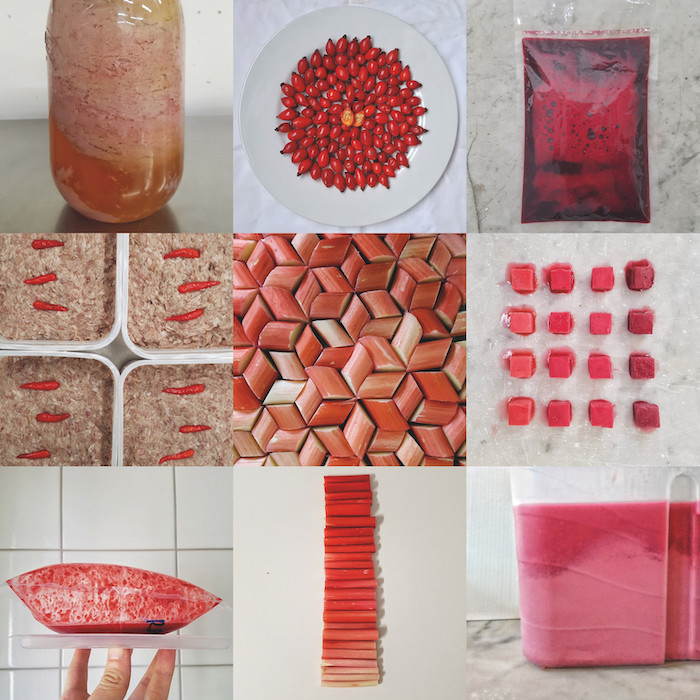
Guest writer Dr Johnny Drain, author of new book Adventures in Fermentation, explains what fermentation is and why it matters in drinks creation.
Historically, most bartenders have stood at arm’s length to fermentation. And not because of any untoward smells. While back bars, cellars and fridges are loaded with its spoils – spirits, wines, beers, ciders, maybe mead, or vinegar for a shrub – by and large, the fermenting has been done by the time a bartender gets involved.
This is changing. For bartenders, fermentation is rapidly becoming one of the most exciting frontiers for creativity and flavour. Once the realm of brewers, distillers, winemakers, it is now being explored behind the bar for its capacity to transform ingredients, reduce waste and unlock flavour profiles that are otherwise impossible to achieve.
What is fermentation, really?
I like to say fermentation is “cooking with microbes”. Instead of using, say, heat to transform the flavour, texture and colour of food, with fermentation we use microbes. Fermentation makes use of certain types of microbes – namely bacteria, yeasts and moulds – which, when well-fed and in the right environment, thrive and multiply, producing a range of new substances – acids, alcohols, gases, and aromatic compounds.
In the context of drinks, we mostly associate fermentation with the use of yeasts to produce alcohol, but it is the engine that drives the production of vinegar, kombucha, chocolate, soy sauce, charcuterie, yoghurt and many cheeses. It is truly the secret behind the world’s favourite flavours.
Why bartenders should care
For bartenders, fermentation offers:
• New sources of sour: Lacto-ferments, tepaches and kombuchas provide alternative routes to complex acidity beyond the citric acid found in citrus, or acetic acid found in vinegar (which, of course, is also fermented). Lactic, acetic, propionic, butyric, formic, succinic and gluconic acid can all be formed via very common fermentations.
• Umami and depth: Fermented ingredients – such as analogues of soy sauce and miso paste made using koji, a filamentous fungus – can bring savoury notes and complexity that amplify flavour and lengthen finish in cocktails.
• Sustainability: Fermentation can up-cycle food trim (eg citrus husks or overripe fruit) into hero ingredients, reducing waste and saving money. • Narrative and experience: Ferments tell a story. They become a talking point. Guests in bars are increasingly curious about provenance, process and meaning behind what they consume.
Basic techniques

From my work in the past with people such as the Mr Lyan teams at Cub, Dandelyan and Lyaness, there are two foundational fermentation processes that I think are most useful, and accessible, in the bar context.
1. Lacto-fermentation
At Cub – sadly now closed – we made lactofermented knotweed, the brine of which went into a Knotweed Martini.
Lacto-fermentation is a broad church, responsible (largely, not always exclusively) for delicacies such as yoghurt, cultured butter, kimchi, sauerkraut, fermented hot sauce. In it, lactic acid bacteria (LAB) consume sugars – such as the lactose found in milk, or the fructose found in vegetables – proliferate and produce lactic acid as part of their lifecycle. The lactic acid is actually their defence mechanism against competitors, like yeast, that struggle to survive in acidic environs.
In savoury applications, salt is often included.
While not a prerequisite, it helps make lactic acid ferments safer by inhibiting yeast and moulds that we don’t want growing. For bar applications, where strongly salty things are less welcome than in a kitchen, you can omit salt as long as you take steps to inhibit yeast and mould growth by sealing the bag and keeping the fermentation time short.
For example, empty a few capsules of Lactobacillus plantarum probiotic into fruit juice, mix, vacuum-seal, and leave for two to four days. The bag will expand as the LAB proliferate and produce carbon dioxide: this is normal. Periodically pop and reseal the bag if necessary. Ensure you are happy with the taste; it should have an amped-up, tarter, funkier version of the original juice. Strain and store in the fridge. Try blending back with some of the original unfermented juice for a best-of-both-worlds ingredient.
Lacto-ferments like this are not just about producing sourness. Vegetables such as butternut squash can reveal unexpected notes of tropical fruit and honey under the action of LAB.
2. Kombucha
Kombucha is the result of a collaboration between yeast and bacteria that form what we call a SCOBY (Symbiotic Culture Of Bacteria and Yeast). The SCOBY isn’t just the gelatinous pellicle floating atop the kombucha: it is the entire liquid. (You don’t need to know this to make delicious drinks, but some of the microbes in a kombucha SCOBY typically include Saccharomyces cerevisiae, Brettanomyces, Zygosaccharomyces, and Acetobacter or Gluconobacter species.)
As the yeasts ferment sugars into alcohol, the acetic acid bacteria convert that alcohol into organic acids, particularly acetic and gluconic, giving kombucha its characteristic tang. Carbon dioxide is also produced, providing fizz, especially if you do an in-bottle secondary fermentation. Because you have alcohol production from the yeasts, you should be aware that most kombuchas are not strictly speaking non-alcoholic. Some can get up to 3% abv. This becomes more likely the more sugar you start with.
If left to ferment longer, kombucha becomes increasingly sour, eventually morphing into a kind of sweet-tart vinegar which I love to use in place of a shrub or verjus. Having captured new flavours in your kombucha, you can also gently reduce it to create something more akin to a syrup. At Cub, I made Cub Cola Kombucha – a kombucha that tasted like Coca-Cola – using cacao husk (a by-product from local bean-to-bar chocolate makers, Land), marigold flower, fennel and orange peel.
Whenever you ferment you should take care to be safe and work cleanly. Sterilise equipment before you use it. Record what you did and when you started a batch. If appropriate to the technique (eg lacto ferments) then monitor the pH – below 4.2-4.6 is normally the key metric for safety. And if ever in doubt, throw it out!
The future of drinks
Fermentation is not just some trend. Fermented drinks have long served as both nourishment and celebration, testament to humanity’s enduring relationship with microbes. For thousands of years, humans have relied on microbes to preserve, flavour, and enrich their food and drink. And as we reassess waste, flavour and health in a world that thirsts for innovation and health, fermentation offers tools to respond to all three
More and more, I’m seeing:
• Bartenders as alchemists: Creating ferments, like garums and misos, that blur the line between kitchen and bar.
• Functional cocktails: Kombuchas, vinegars and kefirs offering perceived health benefits, as well as a punch of flavour.
• Non-alcoholic innovation: Using fermentation to create complexity and structure without relying on ethanol.
• Storytelling and transparency: Today’s drinkers want depth – of flavour and story. Being able to talk through the flavour chemistry and microbial stories of a drink or ingredient enhances the experience.
Fermentation can be one of the most potent tools in a bartender’s arsenal: it creates flavour, captures stories, reduces waste and offers surprising value to the drinker. From house-made vinegars to lacto-fermented syrups, the world of microbes opens up fresh new palates that modern bars can wield with joy and imagination.
Is it time for you to put microbes on the menu?
» Dr Johnny Drain works at the cutting edge of food, fermentation and sustainability, exploring how we can feed the world in a more healthy, equitable and ecologically-friendly way. His collaborations include with Noma and Mr Lyan bars and his recent book, Adventures in Fermentation, is available from penguin.co.uk/books.